CEC provides comprehensive air quality consulting services to help clients navigate complex federal, state, and local air regulations and to help clients demonstrate corporate responsibility through voluntary programs.
Permitting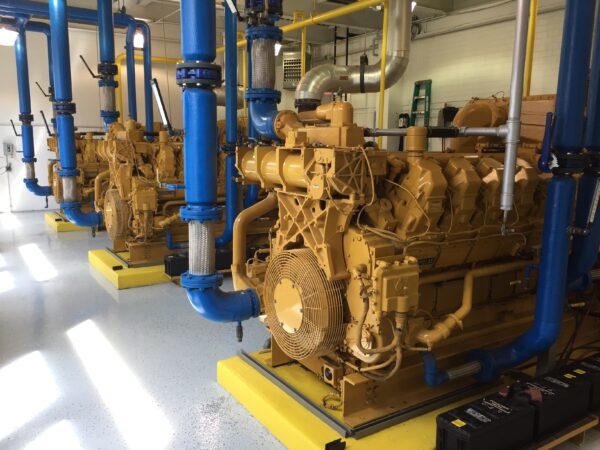
Construction and operating permits are required for a wide range of sites with emission sources. Items potentially requiring air permitting and/or compliance monitoring include emergency generators at office buildings, incinerators at medical or industrial operations, etc. With a thorough understanding of the processes that generate pollutants and the technologies that control them, CEC develops air permit applications for minor and major sources.
Each state or local regulatory authority has different air quality permitting requirements. Many small pollutant sources such as emergency engines can have nuanced regulatory applicability; although emissions may be small, a permit may still be required. CEC determines and documents permit applicability and submits any notifications or applications requested by the appropriate regulating authority.
Compliance

Permitted and permit-exempt sources alike are subject to compliance requirements. These include monitoring, recordkeeping, reporting, and testing tasks. CEC reviews permits and pertinent regulations to determine required compliance activities and develops tools to track and manage them. CEC has the capabilities and expertise to complete many of these requirements in-house, including nearly all testing and reporting tasks.
Whether emission inventories are required by a regulatory agency or are being prepared for permit applications, compliance evaluations, or internal drivers, CEC uses industry standard factors and methods to develop complete, accurate inventories that meet any need. Corporate responsibility and sustainability reports also rely on emission inventories and often include Scope 2 emissions, which are indirect emissions from purchased electricity and steam. CEC calculates greenhouse gas emissions according to U.S. EPA, Carbon Disclosure Project, and other industry-standard methods for benchmarking and voluntary reporting programs.