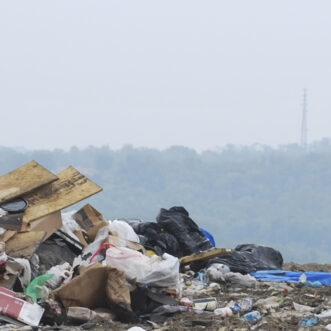
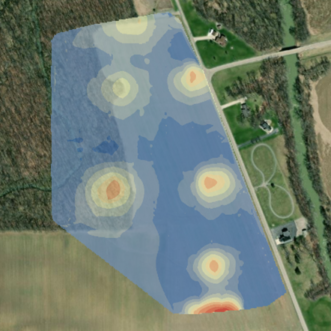
CEC provides a full range of groundwater services, including baseline studies for permitting, groundwater impact investigations, aquifer testing, monitoring, and flooding studies.
Data Acquisition and Analysis
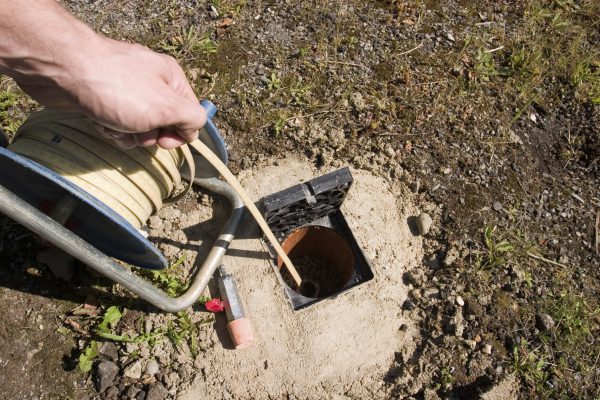
To determine the nature and extent of impacts to an aquifer, CEC conducts studies that generally require the design of a monitoring well network. CEC has installed monitoring wells and collected groundwater samples in a variety of geologic settings, regulatory environments, impact scenarios, and for numerous project types. We perform pumping tests to predict the long-term yield and effectiveness of groundwater extraction networks. CEC knows how to quantify aquifer properties and trends to understand the source, transport, and migration of groundwater contaminants, as well as groundwater quantity impacts.
Groundwater Modeling
Aquifer impact studies often also require groundwater flow and transport modeling. CEC employs advanced computer models to simulate onsite groundwater conditions and predict groundwater movement. To evaluate groundwater control systems, combined flow and contaminant transport models are utilized. In addition, CEC hydrogeological experts are skilled in the performance of mine flooding or dewatering predictive studies.
Pumping Well and Network Design
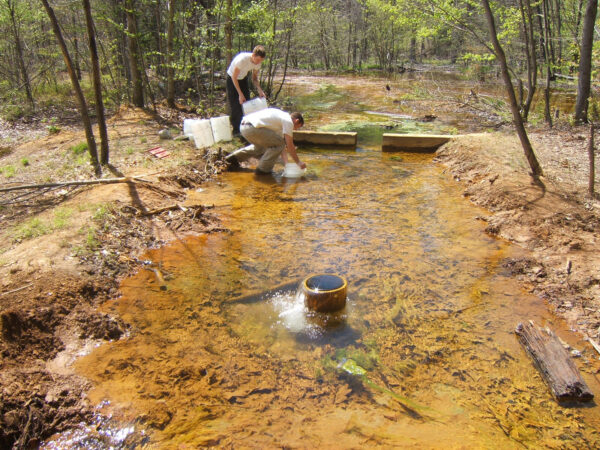 CEC’s experience includes the design of pumping networks using either drains or pumping wells. Our capabilities include the design of extraction points based on site geology, well efficiency, anticipated pumping rates, and drawdowns. CEC also has experience in the design of pumping wells in consolidated and unconsolidated aquifers.
Groundwater Clean-up
CEC provides practical solutions to groundwater contamination problems and evaluates the feasibility of using established and/or innovative remedial techniques for treating all types of mine water. CEC has hands-on experience with groundwater remediation methods, including chemical precipitation, nanofiltration, air stripping, steam stripping, carbon absorption, bioremediation, and ultra-violet oxidation. Several methods are often combined to achieve the most cost-effective cleanup of site contaminants. Potential solutions are comparatively assessed during the initial design phases. Waste treatment effectiveness can be demonstrated using pilot tests prior to implementation of the final design. This approach allows us to choose the most viable combination of proven remediation technologies.