My name is Raymond Ivers, and I am a Staff Consultant in the Waste Management practice, working out of CEC’s Boston office. I earned my bachelor’s degree in civil engineering from Merrimack College in May 2024. As a sophomore, I began seeking internships to better prepare myself for my engineering career following graduation. This search led me to an interview at CEC. I had little knowledge of the waste management industry when I was interviewed. However, after the interview, I received a phone call informing me that I had been selected for the summer internship. Throughout my internship, I realized CEC was the right place for me to start my career.
Why did CEC stand out to me?
CEC is a company that is employee-owned, has approximately 1,500 employees, and consists of nine practice groups. With a company this size, I was excited about the endless opportunities and support I would have as a developing engineer. During my internship, most of my work was completed in the waste management practice; however, I was also able to collaborate with CEC’s Civil Engineering and Environmental Sciences practices. Collaborating and working with industry professionals from multiple practices as an intern provided me with the opportunity to expand my network and knowledge.
What did I do as an intern?
During my internship, I was able to develop skills that I now use daily as a Staff Consultant. One of the biggest tools I used was Autodesk Civil3D, where I began making redline edits to plans and details. Working in Civil3D, I was able to better understand the design methodology behind the engineering plans and ask the Project Manager for further clarification when needed. This was a critical advantage for me when I was a Field Technician because I understood the plans and details and was more confident reviewing them with the project team. Understanding how to read plans and details is paramount for a civil engineer working in the field, providing construction oversight and quality assurance.
In addition to improving my Civil3D skills, I began to explore landfill components such as baseliner systems and final cover systems, in addition to stormwater, leachate, and landfill gas management systems. Each state has specific regulations and requirements for each component of the landfill system and ancillary support systems. I was fascinated by the history and development of regulations and the ongoing research and development currently shaping future regulations. I also spent some time focused on the site suitability regulations in Massachusetts to understand the complexity of siting a waste management facility.
As my internship continued, I began to compile data collected during my construction oversight, including geosynthetic deployment logs, repair logs, non-destructive testing logs, and destructive test logs. Reviewing lab reports and understanding test results enabled me to apply the knowledge and skills from my college coursework. After I gained experience in the field, reviewing and understanding testing frequencies, specifications, and testing requirements, I was given more independence to complete tasks.
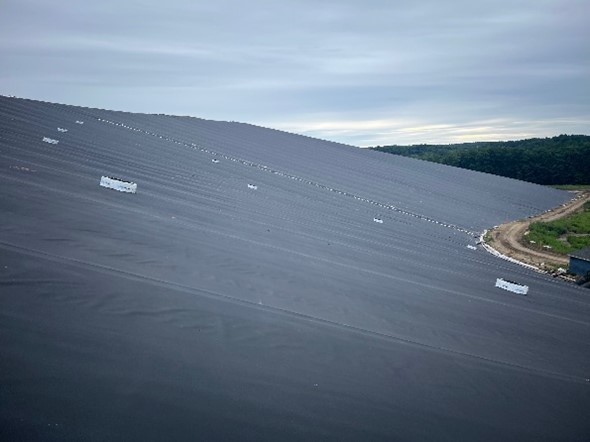
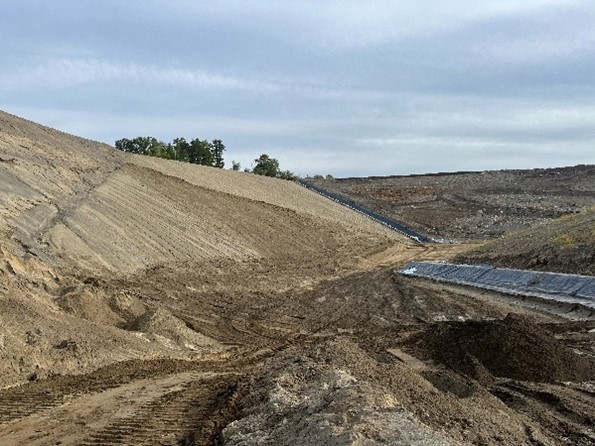
Towards the end of my internship, my first full-time field project consisted of construction oversight of a final cover capping project. I had project managers and senior field engineers with me each day, providing mentoring and technical guidance. The field experience allowed me to use and apply all the skills I had learned during my internship. After the capping project, I also completed smaller field assignments, including landfill gas probe readings and stormwater manhole investigations.
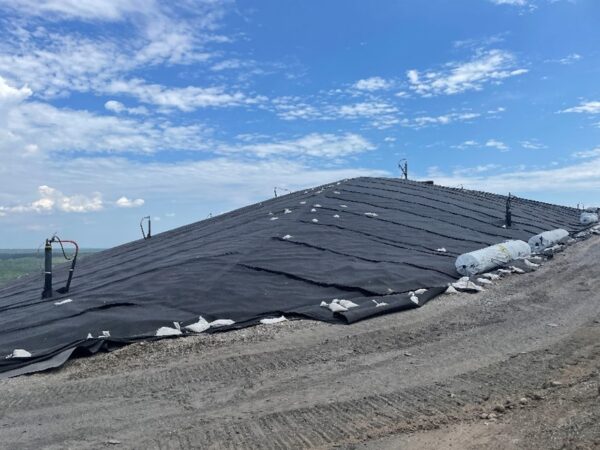
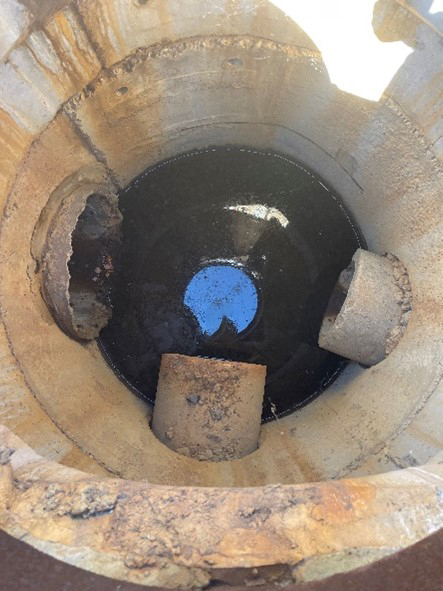
As the summer of 2022 was ending, and I was getting ready to go back to school, I was able to look back on my internship. I can say without a doubt that I made the right decision to begin my career at CEC. In addition to my internship, I was able to reflect on my colleagues and acknowledge how supportive everyone was. As an intern and student, I felt welcomed and appreciated by everyone’s willingness to spend time with me answering questions, reviewing work, and just talking about weekend plans. At CEC, there are also multiple employee resource groups that created a fun and friendly environment for me in and out of the office. Overall, I was extremely pleased with my internship experience.
For my second internship beginning in Spring 2023, I decided to continue my internship experience with CEC, where I picked up right where I had left off the year prior and was immediately involved with tasks that I was familiar with. During this time, I was able to enhance my skills and began preparing tin surfaces and cut/fill volumes to complete landfill airspace plans and helped design landfill gas and stormwater management systems. I also assisted with developing a soil settlement tracking spreadsheet in Excel alongside other CEC project engineers, which we still use today! Once my internship ended, I was given an offer to join the CEC team full-time as a Staff Consultant following graduation in May 2024. I eagerly accepted, starting my professional career off on the right foot.
How my internship turned into a career
Similar to my internships, I started back right where I left off, enhancing and improving my skills and knowledge within the waste management industry. Initially, I assisted the environmental practice with field investigations to determine the location of an outfall using fluorescent dye. This was a new experience for me, and it allowed me to work with different CEC professionals and gain valuable knowledge in another practice area.
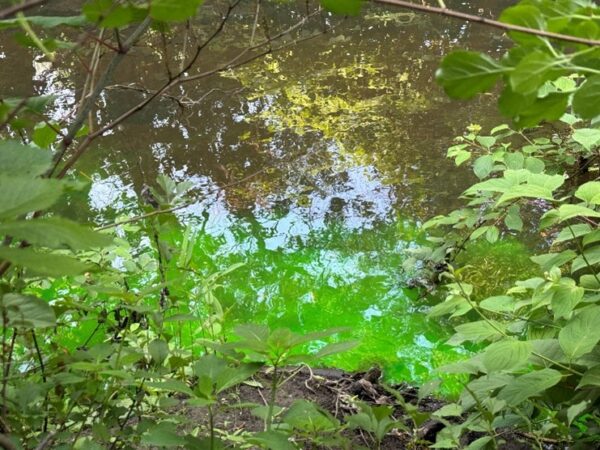
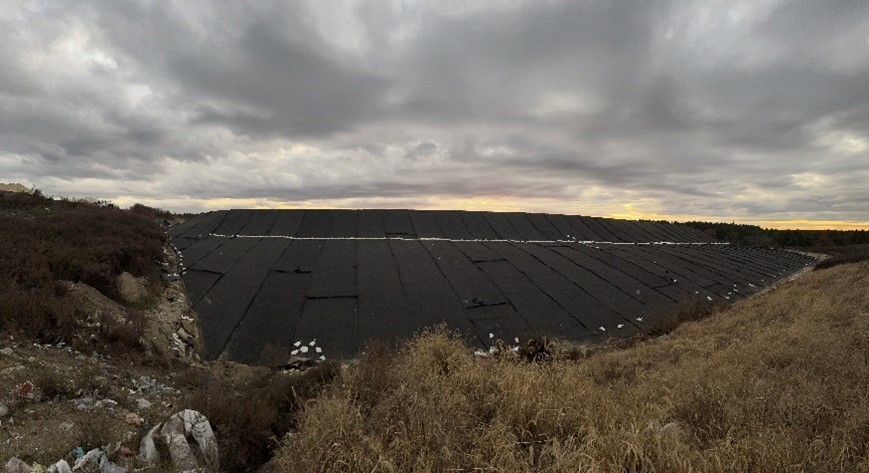
Within the first few months of being a Staff Consultant, I started my first full-time construction oversight project. I was the Lead Technician and was on-site for the duration of construction. Seeing a project from start to finish was especially rewarding.
This project consisted of municipal solid waste baseliner construction with a soil perimeter berm. Using the design skills and understanding I learned from my internships, I was able to interpret the plans quickly, understand the design intent, and discuss details with the CEC Project Manager and contractor.
Post a Comment