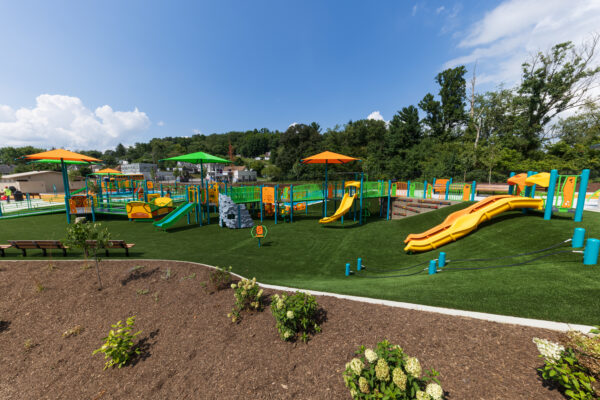

In the Appalachian region, where natural beauty often meets economic hardship, CEC is helping communities rediscover their potential through outdoor recreation. With a specialized team of landscape architects and planners, CEC is leading a movement that blends environmental stewardship, tourism, and economic revitalization — one master plan at a time.
CEC’s work is deeply personal for many of its team members, including Jim Christie, P.L.A., who grew up in West Virginia, graduated from West Virginia University and returned to the Mountain State after honing his craft in Colorado. Jim is a Principal, working in the Bridgeport office.
His passion for outdoor recreation and community development is reflected in projects like the Blackwater Loop Trail, which connects the towns of Davis and Thomas — places he visited as a child and now helps shape professionally.
Outdoor Recreation Planning That Drives Regional Growth
CEC’s landscape architecture and planning department is intentionally built around “Recreation as the Destination,” as Jim says.
With nine professionals focused exclusively on recreation-based design, their work is not just about building parks, it’s about building futures. Each project is strategically designed to stimulate local economies, attract tourism, and create long-term opportunities for residents.
A prime example is the Upper Kanawha Valley Master Plan, which reimagined 13 municipalities devastated by the decline of coal, timber, and chemical industries. CEC’s plan introduced a hospitality-focused economy including campgrounds, short term rentals and outdoor recreation attractions. The region has already secured more than $12 million in grant funding related to this Master Plan. This shift from extraction to attraction is a model for rural revitalization, offering a blueprint for other Appalachian communities facing similar challenges.
CEC’s approach includes not only designing recreation spaces but also conducting regional planning that considers infrastructure, community needs, and long-term sustainability. This work often includes collaboration with nonprofits, state agencies, and private developers to acquire grants and other funding sources that move the projects forward, directly benefiting the communities and their residents.
“It’s not the big headlines, but it’s the biggest change. You can change a whole community and the next generation of that community,” Jim says.
Redeveloping Former Mine Lands into Recreation and Business Hubs
CEC is also leading efforts to repurpose former mine lands across nine counties in Southern West Virginia. Backed by a $63 million Build Back Better Regional Challenge Grant, the firm has developed 10 master plans that transform these sites into vibrant community assets.
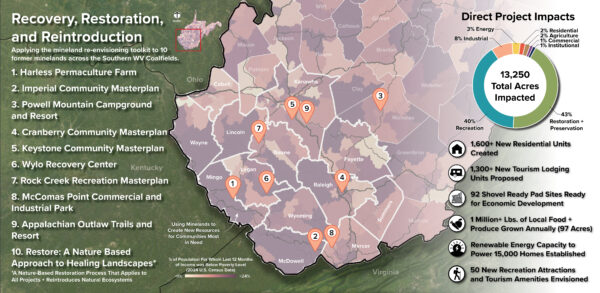
The plans include:
- ATV and mountain biking trails
- Campgrounds and mixed-use resorts
- Housing developments and business parks
These plans are to be used by state agencies to attract developers and secure funding, turning once-abandoned land into engines of growth. The goal is to create sites that meet community needs while supporting economic diversification.
One standout project is the Appalachian Outlaw Trails (AOT) in Dickinson, WV. It’s a former mine site that’s been transformed into a 4×4 off-road playground. With support from state leaders and grant funding, the project is set to open next year, highlighting how strategic planning can turn industrial scars into recreational assets.
Inclusive Parks, Trail Systems, and Sports Complexes That Build Community
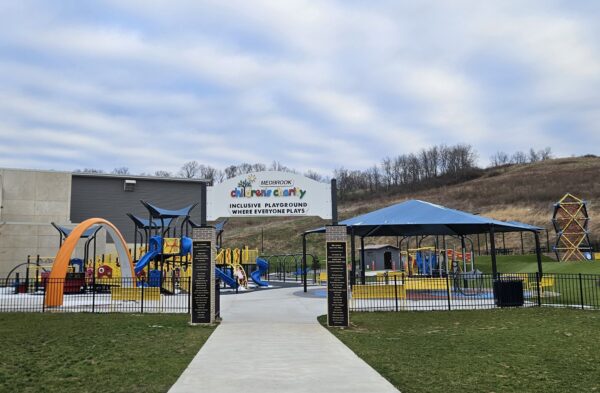
CEC’s portfolio includes a wide range of recreation projects that serve diverse populations and promote inclusiveness. Highlights include:
- Norwood Inclusive Park: West Virginia’s first fully inclusive park, designed for accessibility across the entire site and not just the playground equipment. This project sets a new standard for inclusive design in public spaces.
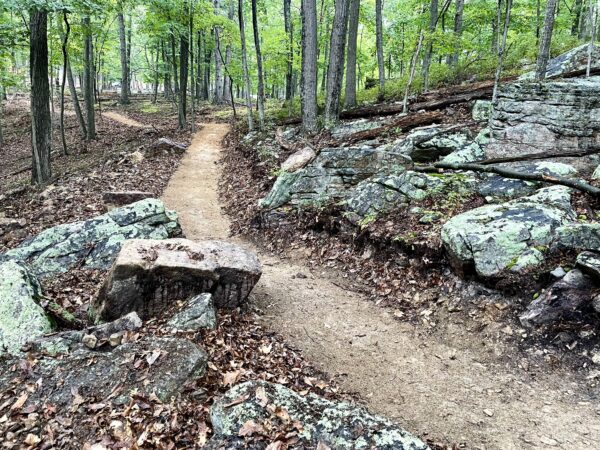
- Cacapon Resort State Park Trail System: A 35-mile federally funded trail project that’s the first of its kind in the state. It’s been designed to enhance outdoor tourism and connect visitors with nature utilizing federal funds to complete the work.
- Bridge Sports Complex: A major regional sports tourism facility in Bridgeport, WV, which draws one million visitors a year and supports youth athletics. It’s a prime example of how recreational infrastructure can fuel local economies.
- Coopers Rock Campground and Cabins: A tourism-focused facility blending outdoor adventure with hospitality, offering cabins and campgrounds in a scenic setting.
CEC also supports entrepreneurial growth around these projects, helping communities develop business plans for bike rentals, kayak tours, and other tourism services. These efforts create jobs, attract investment, and give residents, especially young people, a reason to stay and build their futures in the Appalachian region.
Looking Ahead: A Roadmap for Sustainable Appalachian Development
With a full slate of projects on the drawing board for 2026, including mountain bike skills parks, city-wide trail connections, and resort master plans, CEC continues to expand its impact. Each master plan is a roadmap, guiding communities from vision to implementation and ensuring that “Recreation as the Destination” becomes a cornerstone of regional prosperity.



Post a Comment